
The human mind needs a steering wheel.
Meditation and spiritual wisdom together provide that steering wheel.
Without them, the mind is like a bike hurtling down a slope. We may have brakes such as sleep, so the car comes to a stop for a while. But the moment we wake up, it begins moving again, guided largely by patterns already embedded in our consciousness.
We are often responding to patterns we do not even realise are operating within us.
For example, when I was working out at the gym, a voice was gently tugging at me, suggesting that I should get home sooner rather than later because my daughter is alone studying at home. One part of the mind was focused on exercise, while another is engaged elsewhere. It is this friction within the mind that often creates stress.
These patterns can certainly be examined through introspection. But life does not stop while we are doing that. Every day, new experiences are being recorded. The mind, intellect, and memory are constantly creating impressions that shape how we will think, feel, and respond in the future.
When those impressions are distressing, we experience misery.
I cannot avoid that entirely. It is part of being human.
What I can do, however, is strengthen my ability to let go.
The less time I spend stuck in non-conducive thoughts, emotions, and reactions, the more freedom I have to respond wisely rather than habitually.
How then do we make decisions that are not driven by short-sightedness, fear, or selfish intentions?
For me, that begins with investing time in truly resting the mind.
On a Saturday, I like to wake up without rushing. Sleep is important.
I shower and chant, creating a positive vibration through sound.
I exercise.
And then I sit for my longer meditation practice – a practice that helps me let go, settle down, and become more of an observer of my thoughts and emotions rather than a victim of them.
Before meditation became a part of my life, I often found myself carrying negative experiences into the weekend. I would seek relief through binge-watching television or other forms of sensory distraction.
Meditation created a different cycle.
The more I connect with my practice, the easier it becomes to let go. The easier it becomes to let go, the more naturally my attention moves towards things that nourish me – reading a good book, learning something new, or simply enjoying the present moment.
This weekend, I finished The Last Bookshop in London. I have also been listening to Geoffrey Hinton, often referred to as the “Godfather of AI”, and reflecting on his concerns about the future of artificial intelligence.
As I reflect on where meditation has brought me, I find myself wanting to share it more and more with others.
This may sound like a subtle promotion for my next course.
Perhaps it is.
But I teach only because I have seen what these practices have done in my own life and in the lives of millions of people around the world.
From 26–28 June, I will be teaching the Sahaj Samadhi Meditation Program.
Sahaj Samadhi is a simple yet profound meditation technique that helps us become a witness to the inner theatre of the mind. And when we learn to witness our thoughts and emotions rather than become entangled in them, they begin to lose their grip on us.
If that resonates with you, I warmly invite you to join me. Encouraging others to learn meditation brings merit to your own practices.
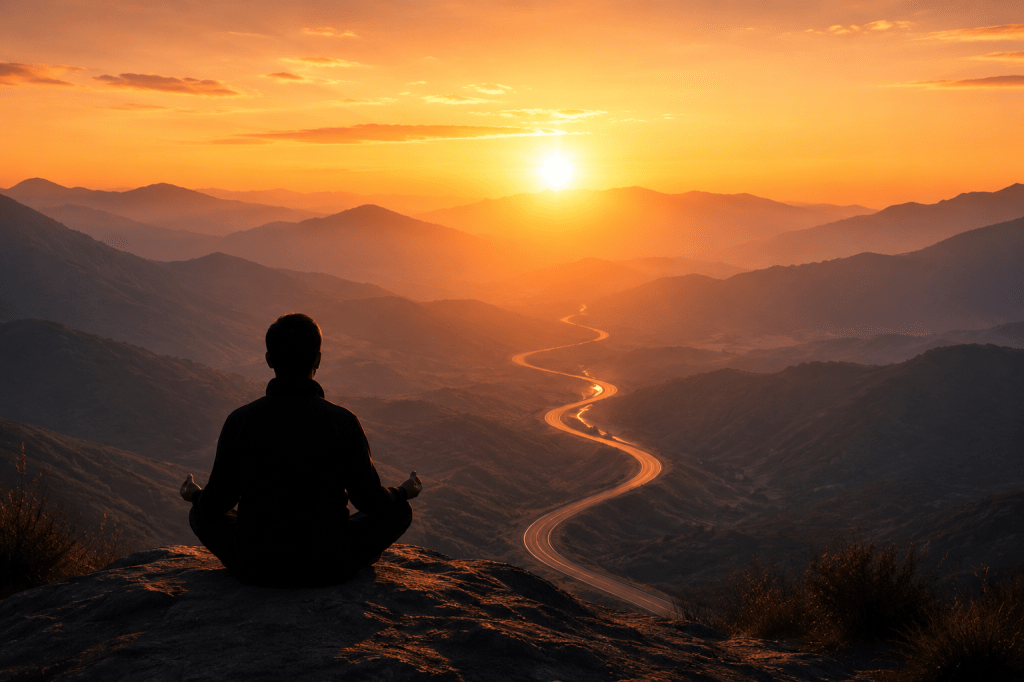
“Sahaj Samadhi is one of the most practical steering wheels I have found for navigating the mind.”
 Shailesh Venkatesh