I came back from a wonderful holiday recently, just in time for my birthday.
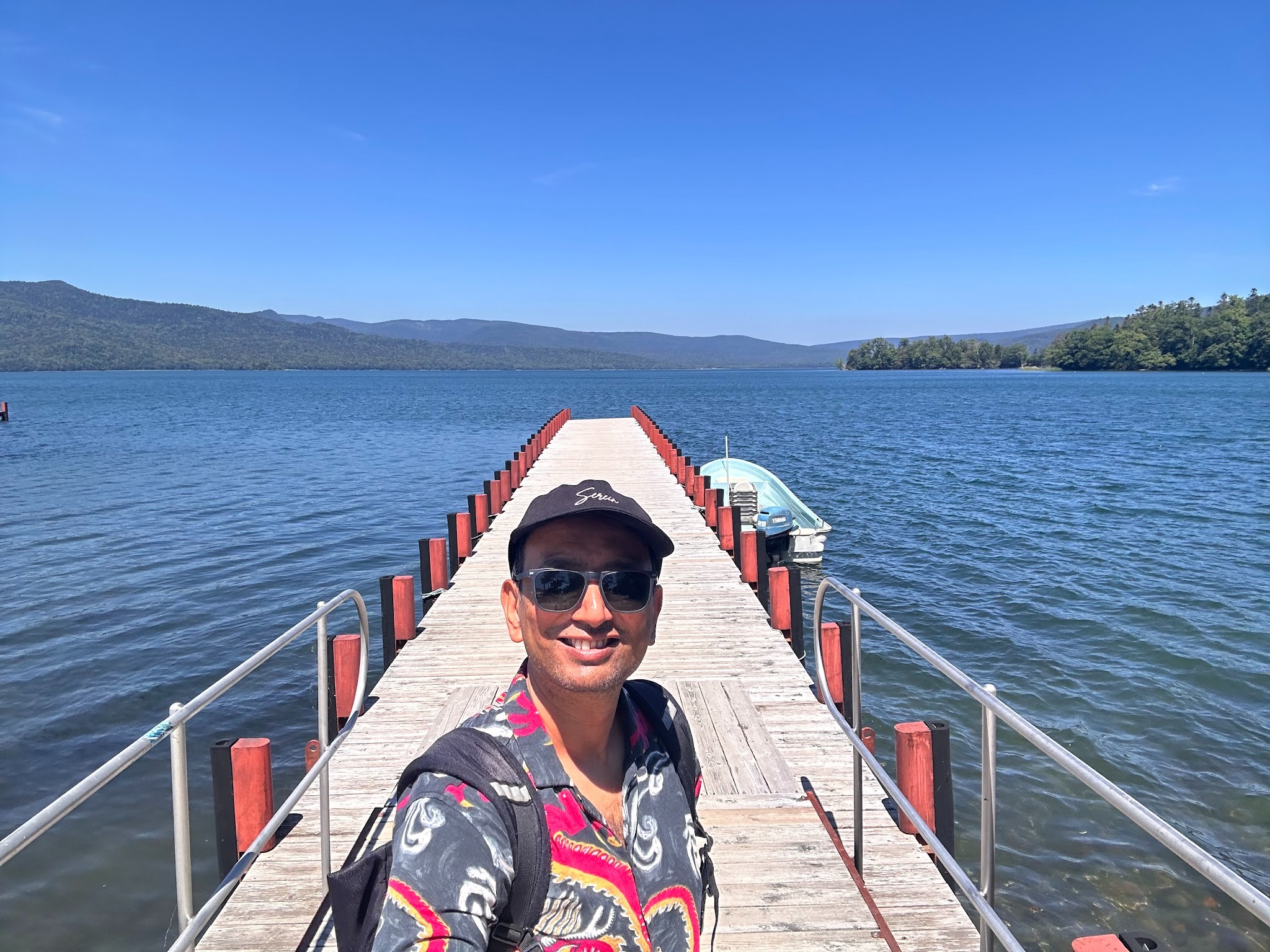
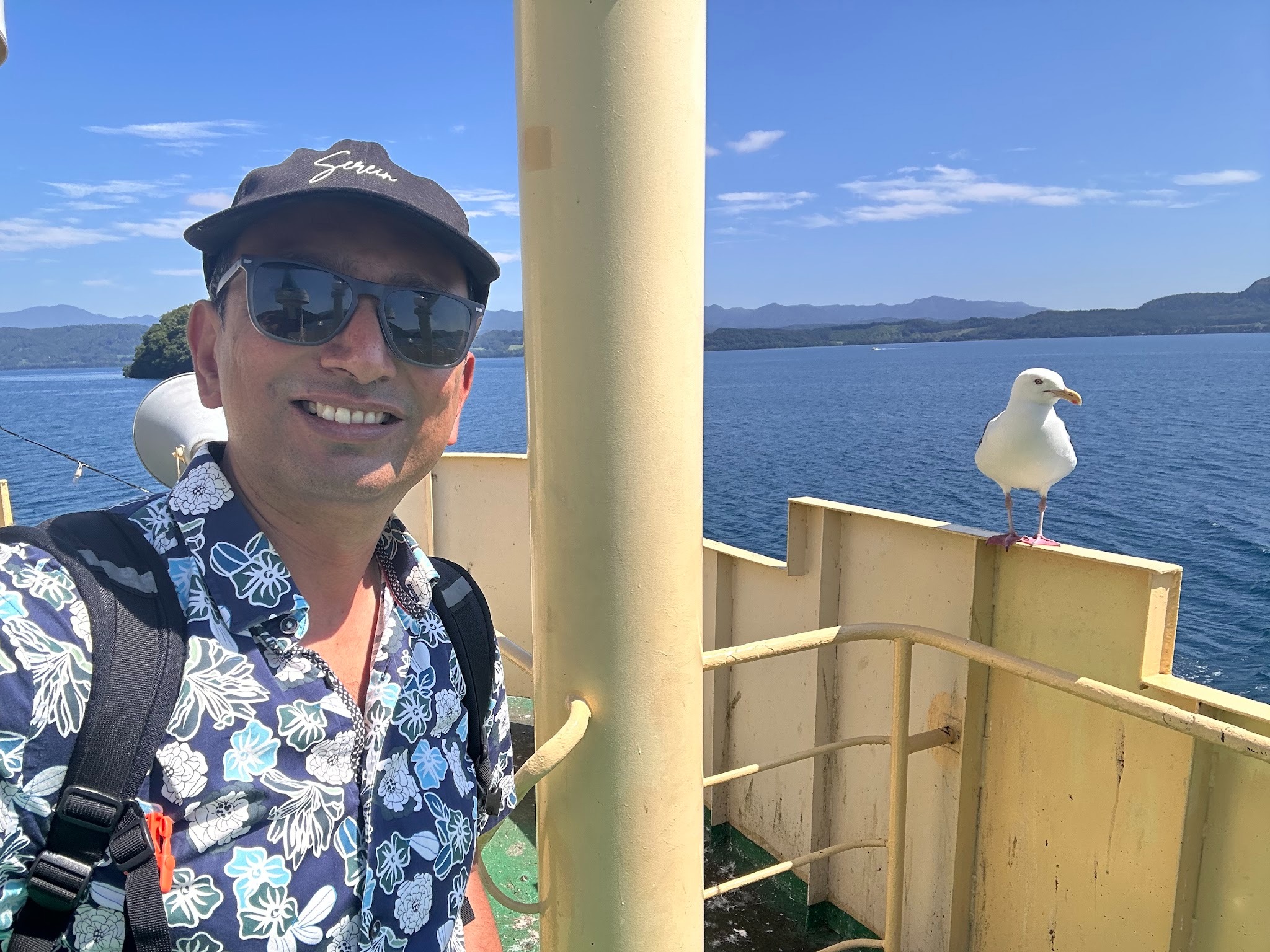
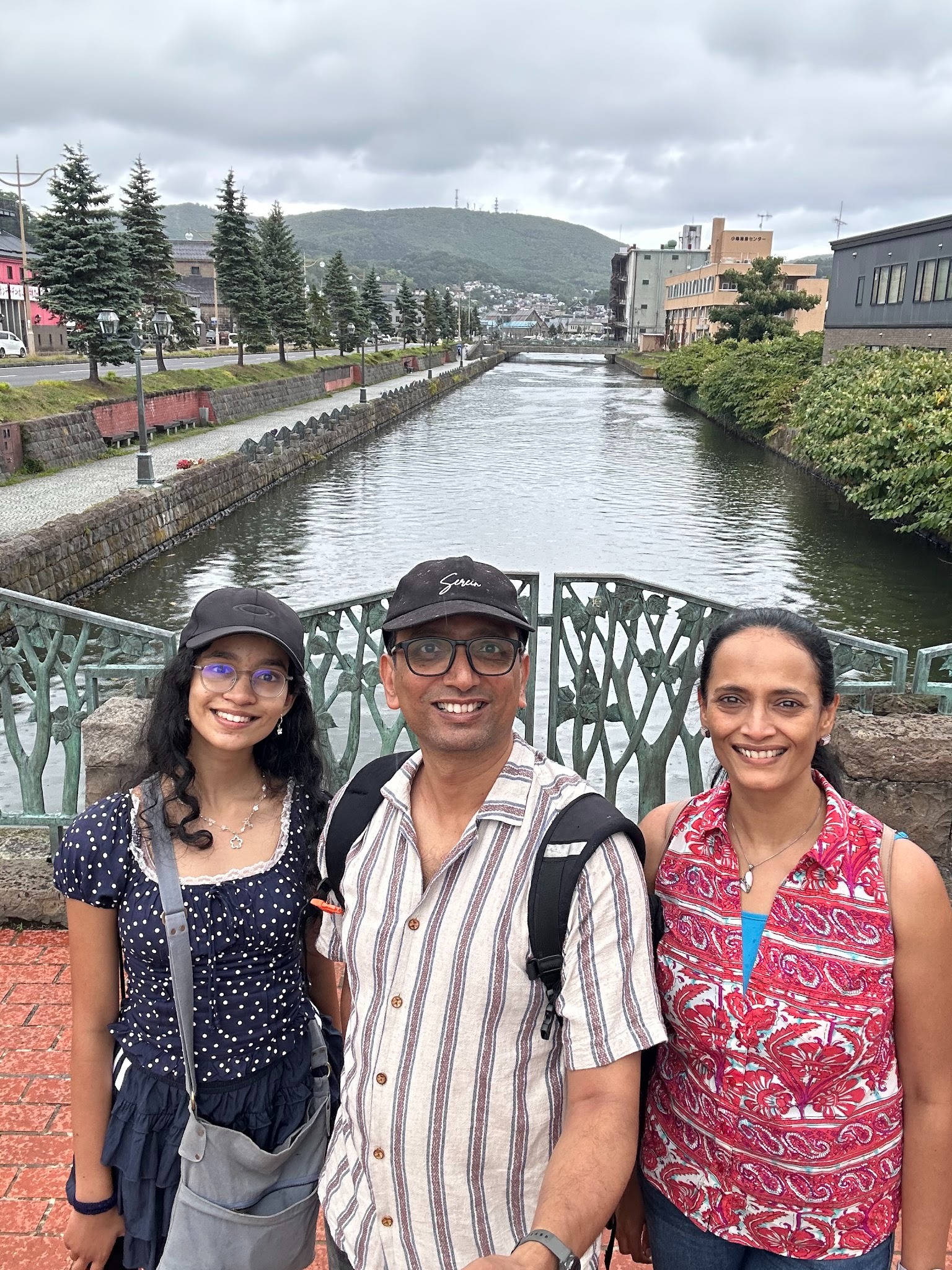
Travel has an interesting way of creating some distance from the routines of life. And birthdays perhaps do something similar. They make you pause, look back, and reflect – not just on what you have done, but on how you are living.
This birthday, I found myself reflecting on the delicate balance between action and being.
Our physical body is constantly in action. There are billions and trillions of cells constantly moving, dying and regenerating. Our mind too is constantly in the throes of wanting to survive, remain relevant and consume ever-new experiences.
As human beings, we also have a will that we can exercise. No two human beings act and consume in the same way. What is less for one can be more for another. We live in different circumstances.
How then do we regulate ourselves?
Left unregulated, the tendency of the body and mind is to constantly seek more. That is natural. But it can also keep us in a constant state of activity and anxiety. These are some thoughts I am constantly grappling with
Am I doing enough at work?
Am I working out enough to take care of my body?
Am I saving enough for the future?
Am I connecting enough to maintain my relationships?
Am I making the most of the places I am visiting during the holiday? Constant FOMO
None of these questions has a definite answer.
So we keep acting, often driven by the principle that it is better to do more than less, so that we have no regrets tomorrow.
And yet, this constant striving for more leaves me restless and tired, sometimes unable to enjoy the very fruits of all my efforts. At its extreme, the price will show up in the health of the mind and body.
The nature of the world is such that no matter how much we do, there will undoubtedly be more that could be done.
Look at scientific progress on this planet. It is endless.
When human beings used their ability to think and created machines that automated manual tasks, humanity was amazed. Our great advantage was our ability to think. Today, we have created systems that can themselves think in increasingly sophisticated ways.
And progress will not end here.
We cannot stop action. Nor can we stop change.
What we can learn is the art of regulation.
Sustainable regulation cannot depend on willpower alone. It is something that begins to happen naturally through meditation and wisdom.
Meditation is the deliberate practice, for a few minutes every day, of simply being. Through a bona fide, time-tested practice such as Sahaj Samadhi Meditation, we repeatedly experience what it is to step away from constant activity and become an observer. Meditation changes the inner state from which choices arise.
And wisdom gives us principles to bring that experience into life.
The ancient wisdom traditions describe some of these as the Yamas and Niyamas – principles for how we interact with the world and how we regulate ourselves.
In our interactions with the world
- Don’t be aggressive or greedy in your interactions with others.
- Recognise that everything is changing, and learn to flow with that change.
- Don’t constantly covet what others have.
- Keep returning to meditation and to that non-changing consciousness which is a dispassionate observer of everything.
- Don’t accumulate endlessly – whether things, and more importantly praise or criticism.
In our relationship with ourselves
- Be pure in body and thought. Don’t think for others what you would not want others thinking for you.
- Practise contentment.
- When challenges come, stay with them. Be grateful for the depth they give you. Remember that everything changes – good becomes bad and bad becomes good.
- Introspect. Build perspective. Develop the ability to step back and reflect on the greater wisdom.
- Surrender. Meditation and sleep are forms of surrender. Prayer, chanting and singing can take us there too.
These are not principles that we understand once and are done with.
They are practices we need to keep reminding ourselves of.
There is a big mind and a small mind within us. The small mind keeps forgetting all of the above. It gets caught again in wanting, comparing, achieving, worrying and accumulating.
But the big mind has the ability to remind us. Again and again.
Perhaps that is the Art of Living.
As I reflect on another year of my life, I feel ever grateful for this path.
Practising all of this may sometimes seem difficult.
But I have increasingly seen that staying off the path is far more difficult, when I get stuck in the throes of wanting to achieve.
Gurudev’s constant presence in my life – through his talks, the courses, the practices and the company of fellow seekers – makes it possible to keep returning to this wisdom.
Not perfectly.
But repeatedly.
And perhaps that is enough.
As I step into another year, my aspiration is to remain regularly invested in my own practice and, in whatever way I can, inspire others to become better at simply being.
Jai Guru Dev

